
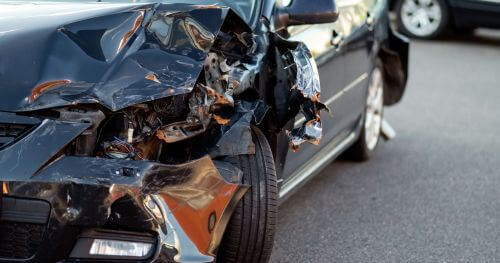
A rental car crash in Miami can quickly turn into a legal and insurance maze. One minute you’re dealing with a crash. Next, you’re facing multiple insurance policies, a rental agreement full of fine print, and laws that limit who you can hold responsible.
Liability doesn’t always fall on just one person. Depending on what happened, responsibility can shift between drivers, insurance carriers, rental companies, or even third parties behind the scenes.
And while you’re trying to figure that out, insurance companies are already building their case, looking for ways to reduce what they pay or redirect liability onto someone else.
That’s why many injured drivers and visitors turn to a trusted Miami rental car accident lawyer to figure out who is responsible and how to pursue the compensation they could be entitled to.
Who Can Be Held Responsible?
In rental car crashes, identifying liability isn’t just about fault; it also impacts how much compensation is actually available.
Depending on the situation, responsibility may fall on one or several of the following:
The Rental Car Driver
If the person driving the rental caused the crash (speeding, distracted driving, running a red light), they are typically the first in line for liability.
Another At-Fault Driver
If another driver caused the accident, their insurance should cover damages. However, Florida’s minimum coverage of $10,000 in PIP and $10,000 in property damage is often far too low to cover serious injuries.
The Rental Car Company
Rental companies are generally protected by federal law (the Graves Amendment), meaning they are not automatically liable just because they own the vehicle.
However, they can be held responsible if they were negligent, for example:
- Renting out a poorly maintained vehicle
- Ignoring recalls
- Failing to fix known safety issues
The Vehicle Manufacturer
If a defect, like faulty brakes, airbags, or tires, caused or worsened the crash, the manufacturer may be liable under product liability laws.
The Driver’s Employer
If the driver was using the rental for work, their employer may share liability under the vicarious liability rule. In many cases, more than one party shares fault. Identifying all responsible parties is essential to maximizing your compensation.
How Insurance Works in Rental Car Accidents
This is where things become layered and where most people get overwhelmed. Florida is a no-fault state, meaning your own insurance pays 80% of your medical expenses and 60% of lost wages up to $10,000, regardless of who caused the crash.
But when multiple policies overlap, insurers don’t rush to pay; they look for ways to place responsibility on someone else and minimize what they owe, sometimes crossing the line into bad-faith claim handling.
1. Personal Auto Insurance (Primary Coverage)
If you have a personal auto policy, it usually extends to rental vehicles, meaning your liability, collision, and Personal Injury Protection (PIP) coverage will usually apply first.
Under Florida Statute § 627.736, drivers must carry $10,000 in PIP coverage, which pays 80% of your medical bills and 60% of your lost wages, but it can be exhausted quickly following a serious accident. In fact, if your injury is not classified as an emergency medical condition, your benefits may be limited to just $2,500.
2. Rental Company Coverage
Rental companies typically carry minimum state-required coverage, including Personal Injury Protection (PIP) and property damage liability, but it is often limited and insufficient for serious injuries.
More importantly, this coverage is rarely designed to fully protect you. It may only apply in limited situations or after other coverage is exhausted, leaving gaps if injuries are severe.
3. Credit Card Coverage
Some credit cards offer rental protection, but usually:
- It’s secondary coverage.
- It may only cover vehicle damage, not injuries.
- It may require you to decline the collision damage waiver for coverage to apply.
Additionally, you can’t stack both coverages for the same damage. If you accept the rental company’s CDW, your credit card protection may be reduced or not apply at all.
4. Optional Rental Insurance
At the counter, you may have been offered:
- Collision Damage Waiver (CDW)
- Supplemental Liability Insurance (SLI)
- Personal Accident Insurance (PAI)
These can fill critical gaps, but only if you purchased them.
If you don’t have a U.S. auto policy, these add-ons aren’t extras; they’re often the only thing standing between you and paying out of pocket.
How the Graves Amendment Changes Everything
Here’s where many people get caught off guard. The Graves Amendment (49 U.S.C. §30106) protects rental companies from being sued simply for owning the vehicle. That means:
· You cannot automatically go after the rental company.
· You must prove negligence, such as poor maintenance.
This law is one of the biggest reasons victims struggle to recover full compensation after rental car accidents. It becomes a serious problem when:
· The at-fault driver has minimal insurance.
· The rental company is shielded from direct liability.
· Damages exceed the available coverage.
In these situations, your own policy or any supplemental coverage you purchased may become your primary source of recovery.
Florida’s Comparative Negligence Rule
Florida follows a modified comparative negligence system for injury cases that go to trial or are settled outside the no-fault limits.
- If you are more than 50% at fault, you recover nothing
- If you are partially at fault, your compensation is reduced
Insurance companies use this aggressively because even a small change in fault can reduce your payout.
Don’t Miss the Two-Year Deadline
Florida now gives you just two years to file a personal injury claim, a major reduction from the previous four-year deadline.
Waiting too long can weaken your claim, limit available evidence, and reduce your ability to recover compensation. This is especially risky for visitors who leave Miami after the accident and delay taking action.
What to Do After a Rental Car Crash in Miami
Right after an accident, these steps will help ensure your safety and protect your claim.
- Call 911 and get a police report.
- Notify the rental company immediately.
- Take photos of everything (damage, road, injuries).
- Exchange information with all drivers.
- Get witness contact details.
- Seek medical care within 14 days, as required for PIP benefits.
- Avoid giving recorded statements to insurers.
- Do not sign anything beyond basic reports without legal advice.
Why Legal Help Matters More in Rental Car Cases
Rental car accident claims are not straightforward; they are layered, technical, and often stacked against you.
These types of cases involve:
- Multiple parties
- Conflicting insurance policies
- Federal protections
- Aggressive insurance tactics
From the moment a claim begins, insurers are working to limit what they pay, often by placing more fault on you or minimizing the severity of your injuries.
Working with a Miami car accident attorney can change the outcome of your entire claim: from how fault is assigned to how much compensation you ultimately receive.
Rental Car Crash Risk Factors in Miami
Miami consistently ranks among the most congested and crash-prone metro areas in the U.S. High-traffic corridors like the Dolphin Expressway, I-95 through downtown, and the approach to Miami International Airport (MIA) see a steady stream of rental vehicles, many driven by visitors unfamiliar with local roadways.
If you’re injured in a rental car crash in Miami, request a crash report from the Miami-Dade Police Department and seek medical care at a trauma-equipped facility such as Ryder Trauma Center at Jackson Memorial Hospital within 14 days to preserve your PIP benefits.
Talk to a Trusted Miami Rental Car Accident Lawyer
A rental car crash can leave you dealing with more than just injuries. It can mean medical bills, lost income, and uncertainty about what comes next.
At Aigen Injury Law, we understand the complexity of rental car accident claims and know how to identify every liable party, navigate overlapping insurance coverage, and help you pursue the compensation you deserve.
There’s no cost to speak with our Miami rental car accident lawyers, and you don’t pay unless we recover compensation for you. Make the call and contact us today for a free consultation.
Aigen Injury Law — 1 SE 3rd Ave, Suite 3020, Miami, FL. Results in individual cases are based on the unique facts of each case.