
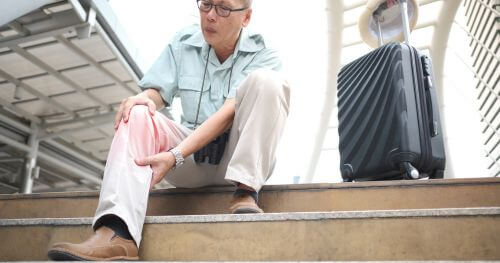
Going on a cruise is meant to be relaxing, fun, and restorative. But when safety standards lapse on a wet deck, at the pool, during a tender transfer, or regarding onboard security, the consequences can be severe. What begins as a long-awaited vacation can end in an emergency room visit, weeks of recovery, or lifelong challenges for passengers and their families.
Here’s what to know about common accidents aboard cruise ships, the injuries that can result, who may be liable, and how a Miami cruise ship accident lawyer can help you pursue compensation.
How Common Are Cruise Ship Injuries and What Do They Look Like?
A comprehensive study of 663 cruise-ship injuries over three years found 0.8 injuries per 1,000 passenger-days, with 12.5% classified as serious injuries.
Some of the key findings:
- Where Injuries Occur:3% onboard, 31.1% on shore excursions, 3.6% during tender transfers.
- Leading Causes: Slips, trips, and falls (44.8% onboard; 69.4% ashore).
- Common Onboard Locations: Cabins (20%) and bathrooms (13.4%).
- Overboard incidents: Rare but catastrophic, 212 incidents from 2009–2019 (about 19 per year), with few rescues.
Types of Accidents and Typical Resulting Injuries
Cruise ships are often marketed as floating resorts, but crowded decks, unpredictable conditions, and safety lapses can create serious hazards. Passengers may face a wide range of risks both onboard and during excursions.
Some of the most common accident types include:
- Slip and Fall Accidents: These can be caused by wet and slippery decks, uncleaned spills, damaged flooring, or unsecured carpeting.
- Pool Accidents: These include slick decks, inadequate supervision, unsafe diving, and other hazards.
- Onboard Assaults: This frightening category includes physical altercations, sexual assault, and reckless conduct causing physical and emotional harm.
- Tender Boat Incidents: Boarding and disembarking during shore transfers can result in injuries due to poor supervision or unsafe conditions.
- Overboard Falls: From railings or balconies linked to design defects, poor maintenance, or dangerous conduct, cruise passengers can fall overboard in a number of ways.
These accidents can lead to injuries such as:
- Broken bones and fractures (arms, legs, hips)
- Traumatic brain injuries (TBIs) from falls or assaults
- Spinal cord injuries, including paralysis in severe falls
- Lacerations, cuts, and dislocations
- Drowning, near-drowning, or complications from overboard incidents
- Internal injuries, head trauma, and concussions
For the injured passenger, it’s not only the pain of the injury that makes these accidents so terrible; it’s missed time with loved ones, lost income, and the uncertainty of what recovery will look like.
Why Compensation May Be Possible
When negligence on the part of a cruise line or its staff leads to injury, you have the right to pursue damages through a legal claim. Compensation covers bills and helps families rebuild stability, dignity, and peace of mind after a terrible experience that altered their lives.
Compensation may cover:
- Medical expenses (emergency care, hospital stays, and surgery)
- Rehabilitation, physical therapy, and long-term care, if needed
- Lost wages and lost earning capacity
- Pain and suffering, including emotional distress
- In some cases, punitive damages
But getting compensation isn’t automatic. Identifying who is liable and proving the claim requires legal expertise.
If you’re unsure whether your injury qualifies for a claim, don’t wait. Talking with a Miami cruise ship accident lawyer can help you understand your rights and what steps to take next.
Who Might Be Liable?
Depending on the kind of accident, different parties may be responsible. Possible liable parties include:
- The Cruise Line or Ship Operator: For unsafe vessel design, poor maintenance, failure to warn passengers of hazards, or inadequate safety protocols.
- Crew Members or Staff: For lapses in safety, inadequate supervision (e.g., pool areas), or negligent conduct.
- Third-Party Contractors or Vendors: For negligent deck cleaning or flooring maintenance.
- Manufacturers or Designers: For defective equipment, faulty railings, or unsafe pool surfaces (product liability).
- Tender/Excursion Companies: For negligence during transfers or organized onshore activities.
In many cases, several parties can be held jointly responsible for the conditions or actions that caused the injury.
Statute of Limitations: Why Time Matters
Most major cruise lines (including those sailing from Miami) give you as little as one year to file a personal injury claim, and your ticket often requires you to do so in a specific court, like the U.S. District Court for the Southern District of Florida.
That means every week counts. Waiting just a few weeks too long can bar your right to file, no matter how strong your case or how severe your injuries. An attorney can immediately review your ticket terms, preserve critical evidence, and help ensure your claim is filed in the correct venue before time runs out.
Why You Need a Miami Cruise Ship Accident Lawyer
Maritime law is specialized and often contract-driven. An experienced attorney will:
- Analyze Jurisdiction and Ticket Terms: Review forum selection clauses, choice of law, and strict notice deadlines.
- Prove Negligence: Show what the cruise line or crew knew (or should have known), whether warnings were adequate, and if maintenance met required standards.
- Preserve and Gather Evidence: Collect ship logs, maintenance records, CCTV footage, witness statements, photographs, and medical documentation.
- Identify all Liable Parties: Hold the cruise line, contractors, manufacturers, or excursion operators accountable when their negligence contributed to the injury.
- Pursue Compensation: Negotiate for fair settlements or take the case to court to recover full, future-inclusive damage.
Don’t Let Cruise Lines Avoid Responsibility
If a wet deck, pool hazard, assault, or tender transfer accident left you injured, get an advocate who knows maritime law. At Aigen Injury Law, our Miami cruise ship accident lawyers put your rights first and can help you pursue maximum compensation.
Contact us today for a free consultation and start building your claim.