
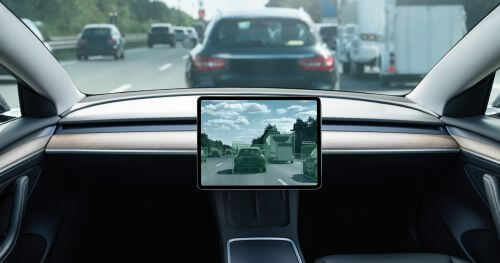
Driverless taxis are officially here in Miami, and as companies like Waymo expand autonomous ride-hailing services, crashes involving self-driving vehicles are raising new legal and safety questions for drivers, pedestrians, and passengers.
Since 2020, when Waymo launched its first fully driverless service in Phoenix, the company has reported 88 crashes involving injuries. To date, those incidents include 60 vehicle-to-vehicle crashes, 10 involving pedestrians or cyclists, and 5 involving motorcycles, based only on incidents the company has publicly reported.
When a collision involves a driverless taxi, determining liability and compensation can be more complicated than a typical car accident. Our car accident lawyers can help victims navigate these complex cases.
Waymo Driverless Taxis Arrive in Miami
Waymo, a subsidiary of Alphabet (Google’s parent company), has spent years developing autonomous driving technology. The company now operates robotaxi services in several major U.S. cities, including Atlanta, Austin, Dallas, Houston, Los Angeles, Orlando, Phoenix, and San Francisco.
In January 2026, Waymo launched its ride-hailing service in Miami. Riders can request a Waymo vehicle through the company’s app, just as they would with Uber or Lyft.
The initial rollout covers approximately 60 square miles of Miami, including neighborhoods such as:
- Brickell
- Wynwood
- Coral Gables
- The Design District
- South Miami
Access is currently limited to early users on a waitlist, though the company plans to expand availability later in 2026.
Unlike traditional rideshare services, Waymo vehicles operate without a human driver behind the wheel. Instead, the cars rely on a complex system of cameras, sensors, radar, and artificial intelligence software to navigate roads, avoid obstacles, and respond to traffic conditions.
Safety Concerns With Driverless Vehicles
Although self-driving vehicles are designed to reduce human error, they are not immune to malfunctions or unexpected problems on the road.
For example, one Waymo vehicle recently stopped on the Venetian Causeway in Miami, creating a traffic backup and prompting concerns among drivers about how driverless cars respond to complex or unpredictable traffic conditions.
Incidents like this highlight some of the challenges that autonomous vehicles can face in real-world traffic conditions.
Common safety concerns include:
- Unexpected Stops or Malfunctions: Self-driving vehicles may stop suddenly when their systems detect uncertain road conditions, like a power outage at an intersection.
- Difficulty Handling Complex Traffic Situations: Busy urban environments like Miami involve aggressive driving, pedestrians, cyclists, and unpredictable weather, which can challenge autonomous systems.
- Technology Failures: Sensor, camera, or software glitches could impair the vehicle’s ability to safely interpret its surroundings.
- Interactions With Human Drivers: Human drivers may not always know how to respond to driverless cars, leading to confusion and potential collisions.
While Waymo emphasizes that its vehicles reduce serious crashes compared to human drivers, incidents involving driverless taxis still occur and remain under regulatory scrutiny.
Legal Questions After a Waymo Crash
In many car accidents, determining liability involves identifying which driver acted negligently. While Florida’s no-fault insurance system requires drivers to first rely on their own Personal Injury Protection (PIP) coverage for medical expenses and lost wages, fault may still become an important issue in serious injury claims.
Crashes involving automated vehicles can make these situations even more complicated. In some cases, responsibility may be shared by several parties, including:
- The Vehicle Company: Waymo may be responsible if a software error, system malfunction, or design defect caused the crash.
- Vehicle Manufacturers: Some Waymo vehicles are built using models such as the Jaguar I-PACE, an electric SUV modified with Waymo’s driverless technology. If a defective vehicle component contributed to the crash, the manufacturer could potentially be held liable.
- Fleet Operators or Maintenance Providers: Companies responsible for maintaining the robotaxi fleet may be responsible if poor maintenance contributed to a crash.
- Other Drivers on the Road: A collision may still occur if a human driver fails to yield or drives recklessly near a driverless vehicle.
Even if a driverless vehicle is operating at the time of the crash, victims may still pursue compensation through product liability, negligence, or premises liability claims, depending on how the accident occurred.
These cases often require detailed investigations that examine vehicle data, software logs, and expert analysis to determine how the crash happened and who can be held liable.
Who Are at Risk in a Driverless Taxi Crash?
Accidents involving these vehicles can affect a wide range of people on the road. Because they operate using complex software and sensors rather than human judgment, collisions and other incidents can occur in traffic situations involving other road users.
As a result, several types of victims may suffer injuries or losses when a driverless taxi is involved in a crash, including:
- Pedestrians and Cyclists: Pedestrians crossing the street or cyclists sharing the road may be injured if a driverless vehicle fails to recognize them or misjudges traffic conditions.
- Passengers Inside a Waymo Vehicle: When riders hail a driverless taxi, they expect a safe trip. If the vehicle crashes, injured passengers may have the right to seek compensation for their injuries.
- Drivers and Passengers in Other Vehicles: Drivers sharing the road with a robotaxi may be involved in a crash if the autonomous system responds unexpectedly or fails to react to surrounding traffic.
Victims injured in a crash involving a driverless taxi can typically seek compensation for medical expenses, lost income, pain and suffering, and property damage.
Although autonomous vehicle companies carry commercial insurance, coverage disputes may arise after a crash.
Our Miami auto accident lawyers can investigate the crash, identify liable parties, and pursue compensation through insurance claims or litigation.
Get Guidance From Our Miami Auto Accident Lawyers After a Robotaxi Crash
Crashes involving autonomous vehicles raise complicated liability issues that often involve multiple companies, advanced technology, and commercial insurance policies.
If you were injured as a pedestrian, passenger, or driver in a crash involving a self-driving vehicle, the Miami auto accident lawyers at Aigen Injury Law can investigate what happened and pursue the compensation you deserve.
Contact us today for a free consultation to discuss your case and learn your legal options for compensation.