
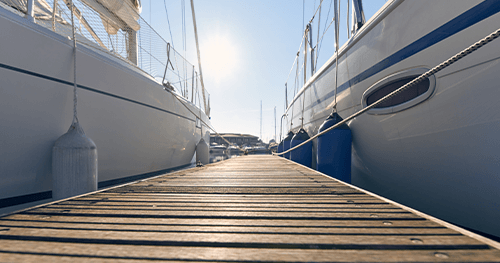
Imagine walking along a marina dock when your foot suddenly slides on a slick patch of algae or a loose board shifts beneath you. In seconds, a relaxing day near the water can turn into a painful fall and a trip to the emergency room.
Falls on docks can cause serious injuries, including broken bones, head trauma, and even falls into the water. After an incident like this, many people wonder if they can file a claim for their injuries.
In many situations, dock accidents fall under premises liability law, which holds property owners responsible for maintaining safe conditions. However, some incidents may also involve admiralty law, which governs accidents on navigable waters.
Determining who may be responsible comes down to where the accident happened, who owned or operated the dock, and who was responsible for maintaining it.
A personal injury lawyer can review the circumstances of the slip-and-fall accident and help you understand whether you may be able to pursue compensation.
Why Slip-and-Fall Accidents at Docks Can Be Legally Complex
Most slip-and-fall accidents occur on sidewalks, in retail stores, or in parking lots. Dock injuries, however, can involve additional legal issues because they occur on or near the water.
Dock accidents may occur in several different settings, such as:
- On private waterfront property
- At a commercial marina or boat rental facility
- On a public dock operated by a city or county
- On a structure extending into navigable waters
When a slip-and-fall occurs on or near navigable waters, both state premises liability law and federal maritime law may apply, making dock injury claims more complex than typical slip-and-fall cases. This makes it important to get a lawyer involved early on to ensure you can file your claim appropriately and on time.
Who May Be Liable for Slip-and-Fall Injuries on a Dock?
Determining liability after a dock accident usually starts with identifying who owned, operated, or maintained the dock. In some cases, more than one party may share responsibility for the dangerous condition that caused the fall.
Property Owners
If the dock is attached to a private waterfront property, the homeowner or property owner may be responsible for maintaining safe conditions. Property owners have a duty to repair dangerous conditions or warn visitors about known hazards.
Several issues can make a dock unsafe, including:
- Rotting or broken boards
- Algae or mold buildup that creates slippery surfaces
- Missing handrails
- Loose or unstable decking
If the owner knew of a hazardous condition and failed to address it or warn visitors, they may be held liable for injuries resulting from the accident.
Marina Operators or Commercial Businesses
Commercial marinas, boat rental companies, and waterfront businesses typically owe visitors a higher duty of care than private property owners. These businesses are expected to regularly inspect their property, repair hazardous conditions, and warn customers about potential dangers.
Negligence may occur when operators fail to address issues such as:
- Poor dock maintenance
- Inadequate lighting at night
- Damaged walkways or structural components
- Lack of traction on wet dock surfaces
When a marina or waterfront business fails to maintain safe facilities, injured visitors may have the right to pursue compensation for their injuries.
Government Entities
Some docks are owned or operated by cities, counties, or state agencies. If a slip-and-fall accident occurs on a public dock, filing a claim may involve additional procedures.
Claims against government entities require:
- Formal notice of the injury within three years
- Filing a lawsuit within a four-year deadline
- Compliance with statutory limits on damages
Because these cases are governed by unique legal rules, speaking with a knowledgeable attorney as soon as possible can help ensure the proper steps are taken to protect your claim.
When Maritime Law May Apply
Some dock accidents may also fall under maritime or admiralty law, particularly when the dock is located over navigable waters used for commercial or recreational boating.
Maritime law may apply if the injury:
- Occurred on navigable waters
- Involved maritime activities such as boating or vessel operations
- Happened on a floating dock or marina structure connected to vessels (Admiralty Extension Act)
In these cases, both maritime law and general property liability laws may apply, making dock injury claims more complicated.
A skilled slip-and-fall lawyer can help determine whether the case should proceed in state court, federal court, or under maritime law.
Factors That Can Affect Your Claim
Several factors can affect whether you may be able to recover compensation after slipping on a dock. Because docks may be owned or maintained by different people or businesses, determining who is responsible often requires a close look at what happened.
Some of the factors that may affect your claim include:
Property Owner’s Knowledge
One of the most important questions in a dock injury claim is whether the responsible party knew or should have known about the dangerous condition that caused the fall.
Evidence of this may include:
- Prior complaints about slippery surfaces
- Visible structural damage or deteriorating dock boards
- A lack of routine maintenance or safety inspections
- Hazards that existed for a long period without being repaired
Even if a property owner claims they were unaware of the danger, they may still be considered negligent if a reasonable owner would have discovered the problem through regular inspections or maintenance.
Your Legal Status on the Property
Your rights may also depend on why you were on the dock at the time of the accident. In premises liability cases, visitors are often grouped into categories such as:
- Invitees: Customers or patrons at businesses like marinas
- Licensees: Social guests invited onto private property
- Trespassers: Individuals who enter property without permission
Businesses typically owe invitees the highest duty of care, which includes regularly inspecting the property for hazards and repairing dangerous conditions.
Comparative Fault
In some dock accidents, more than one factor may contribute to the fall. For example, a property owner may have failed to correct a slippery surface, but the injured person may also have been distracted or ignored warning signs.
Florida follows a modified comparative fault rule, which means your compensation may be reduced based on your percentage of responsibility for the accident. Even if you share some blame, you may still be able to recover damages.
However, if you are found to be more than 50% responsible, you cannot recover financial compensation for the incident. For this reason, having legal representation can be important if insurers attempt to place unfair blame on the injured person.
What To Do After a Slip-and-Fall Accident on a Dock
If you are injured after slipping on a dock, taking the right steps can help protect your health and your potential legal claim.
As soon as possible after the accident, try to:
- Seek medical treatment right away
- Take photos of the hazardous condition, if possible
- Report the incident to the property owner or marina operator
- Collect witness contact information
- Avoid giving recorded statements to insurance companies without legal guidance
These steps can help preserve important evidence and create documentation that insurance companies and attorneys rely on when evaluating injury claims.
Find Out Your Legal Options After a Slip-and-Fall on a Dock
Dock injury claims can be complex, especially when multiple parties or maritime laws may be involved. Determining liability often requires a thorough investigation of the property, maintenance records, and circumstances surrounding the accident.
At Aigen Injury Law, founding attorney Scott Aigen’s experience representing insurance companies provides valuable insight into how insurers evaluate injury claims. Today, our team uses that knowledge to fight for injured clients across South Florida.
If you slipped and were injured on a dock, contact an injury lawyer lawyer for a free consultation to learn how we can help you pursue compensation for medical bills, lost wages, and other damages for your slip-and-fall claim.